

Some stories at Nekupe start with a guest experience. This one starts with soil.
Years before a single pitahaya took root here, this land told a different story — one of cleared pasture and soil pushed past what it could give. Reforesting it was never a single decision. It was the slow, deliberate work behind Nekupe’s broader commitment to sustainability in Nicaragua — part of the same stewardship that has brought over 100,000 native trees back to this 2,400-acre reserve. Long before anyone imagined pitahaya thriving here, the land had to be given the chance to heal.
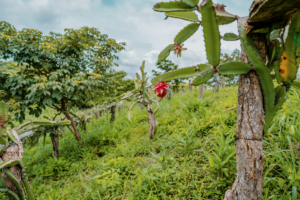
That patient, mostly invisible work is what eventually made it possible to grow something as particular as pitahaya — known internationally as dragon fruit, and more commonly as pitaya throughout the region. Native to this part of Central America, it doesn’t grow just anywhere; it needs healthy land and real care. Its presence here isn’t just a new crop. It’s proof of how far the land has come.
Today, pitaya is just one of the many fruits and vegetables grown on the property — a living extension of the same reforestation work, where what’s planted on the land eventually finds its way to the table.
Nicaragua’s Native Fruit
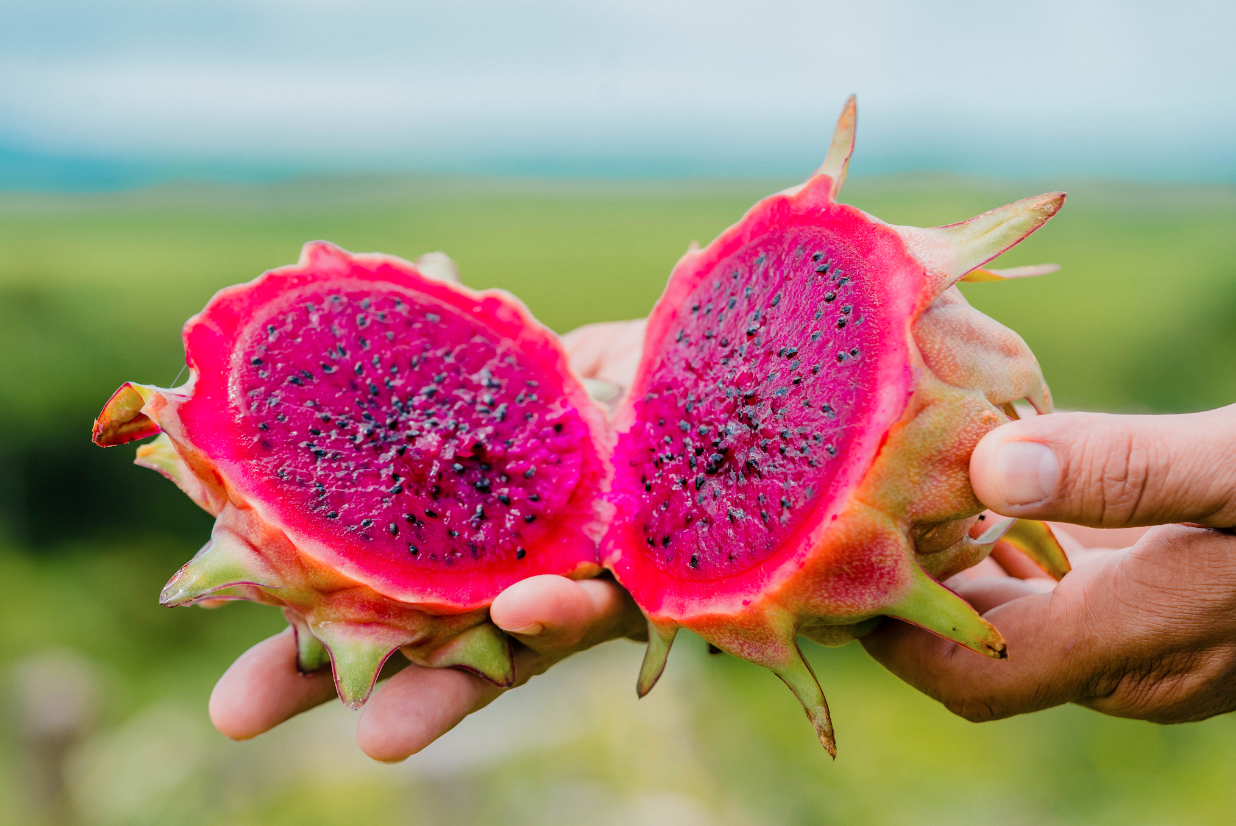
Pitaya has deep roots in this region — Nicaragua has seen real growth in dragon fruit production and export in recent years, helped by climate conditions well-suited to the fruit. The variety grown here is distinct from the white-fleshed fruit associated with Southeast Asia: deep magenta flesh, dotted with tiny edible black seeds, with a flavor often compared to ripe pear or kiwi. Season runs from May through November, peaking in summer.
Why Pitahaya Belongs on Your Plate
Beyond its color, pitaya is a genuine superfruit — rich in fiber and antioxidants, supporting digestion, immunity, and overall wellbeing, with research pointing to benefits for blood sugar regulation and protection against oxidative stress. It’s indulgent and good for you at once — fitting, for a place built on that same balance.
From the Land to Your Table
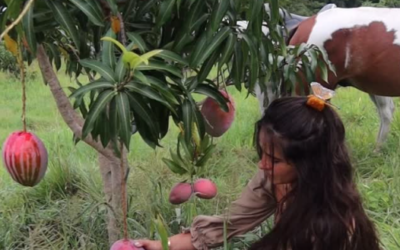
What makes Nekupe’s pitahaya different is the distance it travels: not from a packing facility, not from another country, but from our own gardens, picked at peak ripeness and served the same day. This is farm-to-table dining in its most literal form.
When you taste pitaya at Nekupe, you’re tasting reforestation, patience, and a belief that this land could become something more — long before a single fruit ever ripened.
That’s the kind of luxury that can’t be imported. It can only be grown.

0 Comments