
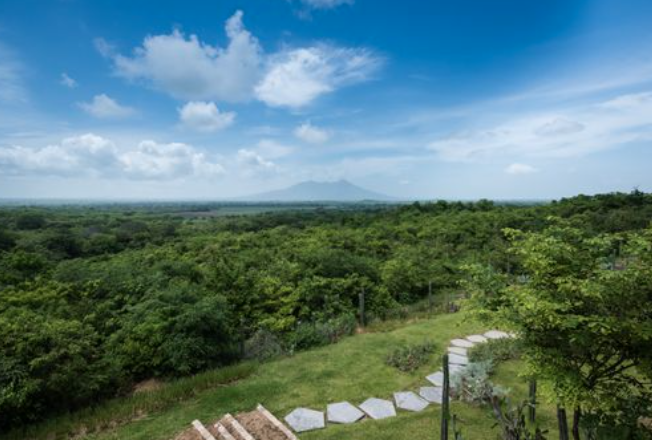

For years, “sustainable” was the word luxury travel reached for. Solar panels, reduced water usage, a farm-to-table menu: worthy commitments, but ones that mostly describe not making things worse. Increasingly, that’s no longer where the most discerning travelers are looking. The conversation has shifted from protecting what’s left to actively restoring what was lost. Nekupe was built on the harder version of that idea a decade before it became a trend.
 What the Land Actually Was
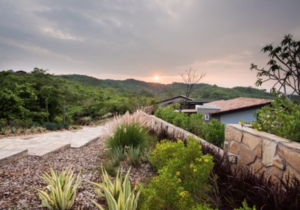
Before Nekupe existed, the 2,400 acres it now occupies were cattle pasture, grazed, cleared, and gradually emptied of the life that once moved through it. This wasn’t undeveloped wilderness waiting to be discovered. It was working land that had to be given something back before it could become anything else.
That distinction matters. A sustainability claim is often about slowing damage. A regeneration claim requires proof that something was actively returned.
 The Numbers Behind the Claim
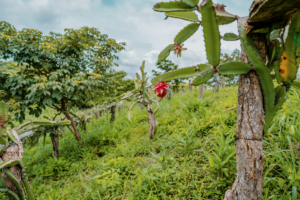
Over the past ten years, Nekupe has planted 100,000 trees by hand across the reserve. Alongside that effort, more than 60,000 additional trees have returned through natural reforestation: forest reclaiming ground on its own, once the land was given the chance. Thirty new species have been recorded on the property since its founding, wildlife that had no reason to return until there was somewhere to return to.
These aren’t marketing figures. They’re closer to an audit, a way of showing, rather than asserting, what a decade of restoration actually produced.
 Why This Matters More Than Ever
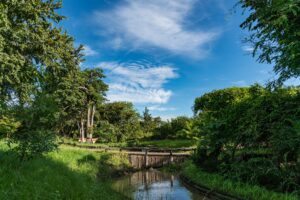
Affluent travelers increasingly want sustainability efforts that go beyond a badge or a pledge, they want measurable, positive impact they can actually see evidence of. That’s a meaningfully higher bar than it used to be, and it’s one most properties aren’t built to meet, because most properties weren’t given a decade to prove it.
Nekupe’s restoration wasn’t designed as a guest-facing initiative. It was the precondition for the property existing at all, the resort came after the land had already begun recovering, not the other way around. Guests who stay here aren’t visiting a property with a sustainability program attached. They’re staying inside the results of one.
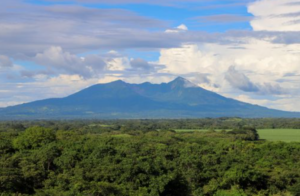
What Regeneration Looks Like in Practice
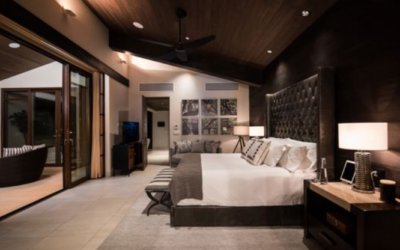
It’s visible in small, unglamorous ways as much as dramatic ones: a wildlife sanctuary that supports species not present a decade ago, a reserve that has expanded through the same restraint that built it, and a design approach: underground infrastructure, minimal footprint, only eight rooms, that treated the land’s recovery as non-negotiable rather than aspirational.
It’s also visible in what wasn’t built. There is no sprawling resort complex here, no manicured golf course carved from restored forest. The choice to stay small wasn’t a limitation Nekupe worked around. It was the mechanism that made the restoration possible in the first place.
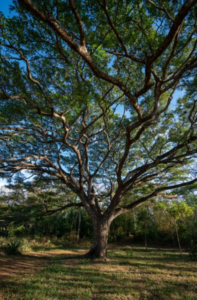
The Next Decade
Ten years in, the work isn’t finished, regeneration doesn’t have a completion date. But the results so far offer something rare in luxury travel: a story that can be measured rather than just told. Not a claim about caring for the land, but 160,000 trees and thirty new species as the evidence of it.
That’s the difference between sustainability and regeneration. One is a promise. The other is something you can walk through.
0 Comments