

The luxury travel industry has spent the last decade congratulating itself for achieving net-zero.
Net-zero is not enough.
A traveler who leaves no footprint has, at best, passed through without making things worse. That is a low bar for an industry with the resources, the reach, and — increasingly — the guest demand to do something genuinely restorative.
The shift from sustainable to regenerative is not semantic. It is a fundamentally different question. Sustainable asks: how do we minimize harm? Regenerative asks: how do we leave this place better than we found it?

Nekupe, tucked into Nicaragua’s Pacific countryside on 2,400 acres of private reserve, was built as an answer to the second question.
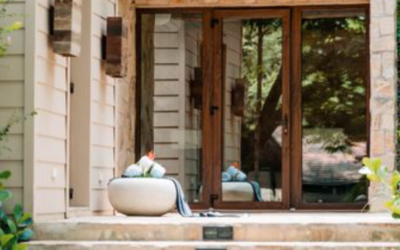
The result is a place that is measurably healthier today than it was when its founders first walked it. Even the architecture reflects that devotion — the designer camped on the land for a week before drawing a single line, sleeping under the same sky and walking the same terrain until he understood precisely where each structure belonged.
Nothing was imposed on the landscape. Everything was placed in conversation with it. That is regeneration. Not as a certification or a carbon offset, but as the actual, physical outcome of how a property chooses to exist in its landscape.
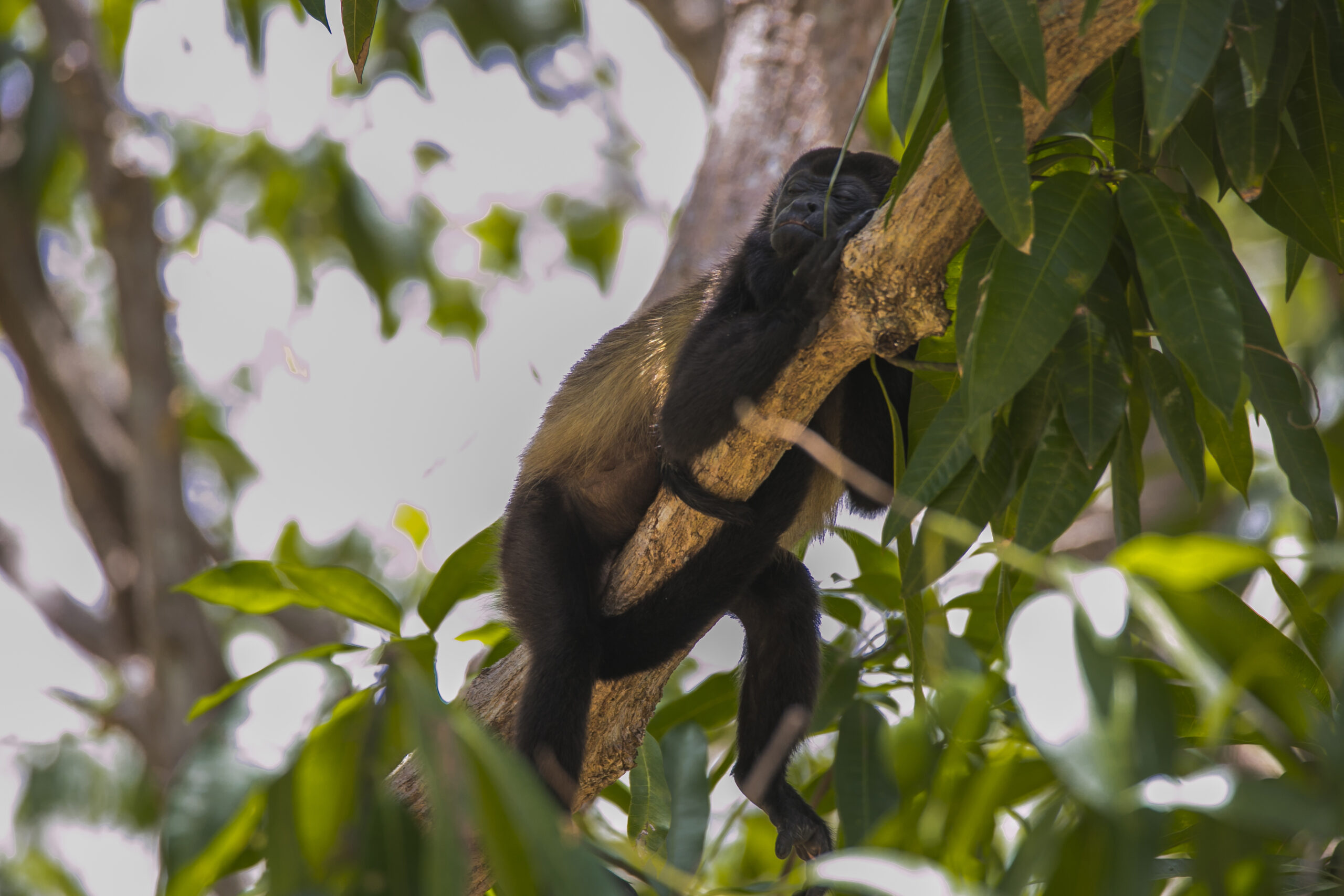
Nicaragua is uniquely positioned for this kind of travel. The country holds 7% of global biodiversity — an extraordinary ecological inheritance that has been largely protected by the same combination of geography and limited development that kept it off the luxury radar for so long. Seven types of forest. Two coastlines. A chain of volcanoes. Freshwater systems of extraordinary complexity.
Nekupe is not the only answer to that opportunity. But it is one of the most complete ones: a working conservation ecosystem that also happens to be one of the most deeply private, expertly staffed, and genuinely beautiful places to stay in all of Central America.
As Earth Day approaches, the question worth sitting with is not whether your travel is sustainable. It is whether it is restorative. Whether the place you choose to spend your time — and your money — is better for your having been there.
At Nekupe, the answer is yes.
0 Comments